










FCL vs LCL Shipping: Choosing the Right Option for Your Cargo
When shipping goods internationally, businesses must decide between FCL (Full Container Load) and LCL (Less than Container Load). Choosing the right option depends on cargo volume, budget, delivery timeline, and shipment type.
What is FCL Shipping?
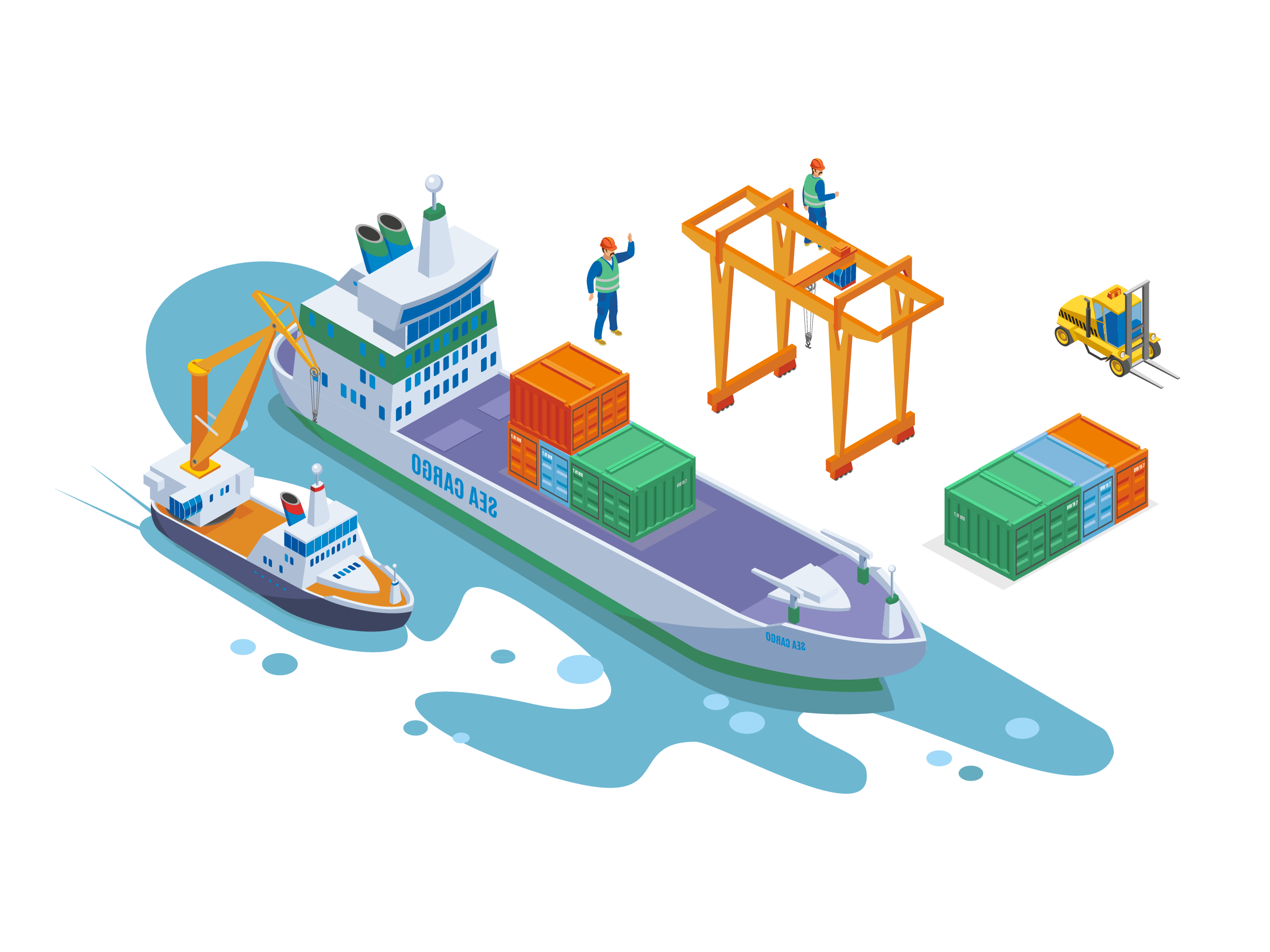
FCL (Full Container Load) means a single shipper uses the entire container for their cargo. Even if the container is not completely full, it is reserved exclusively for one shipment.
- Dedicated container for one customer
- Faster transit with fewer handling steps
- Lower risk of cargo damage
- Ideal for large-volume shipments
What is LCL Shipping?
LCL (Less than Container Load) allows multiple shippers to share space within the same container. Cargo is consolidated at origin and separated at the destination.
- Cost-effective for small shipments
- Pay only for the space used
- Suitable for low-volume cargo
- More handling due to consolidation
Key Differences Between FCL and LCL
| Factor | FCL | LCL |
|---|---|---|
| Container Usage | Exclusive use | Shared container |
| Cost Structure | Flat container rate | Pay per cubic meter |
| Transit Time | Faster | Slightly longer |
| Handling Risk | Lower | Higher (due to consolidation) |
| Best For | Large shipments | Small shipments |
How to Choose the Right Option
To select between FCL and LCL, consider:
- Shipment volume and weight
- Budget and cost sensitivity
- Delivery deadline
- Cargo sensitivity and handling requirements
- Frequency of shipments
Conclusion
Both FCL and LCL shipping offer unique benefits depending on your cargo requirements. FCL provides greater security and efficiency for large shipments, while LCL offers flexibility and cost savings for smaller loads. Evaluating your shipment size and business priorities will help you choose the most suitable and cost-effective shipping solution.