






Logistics Transportation Modes: Choosing the Right Option for Your Needs
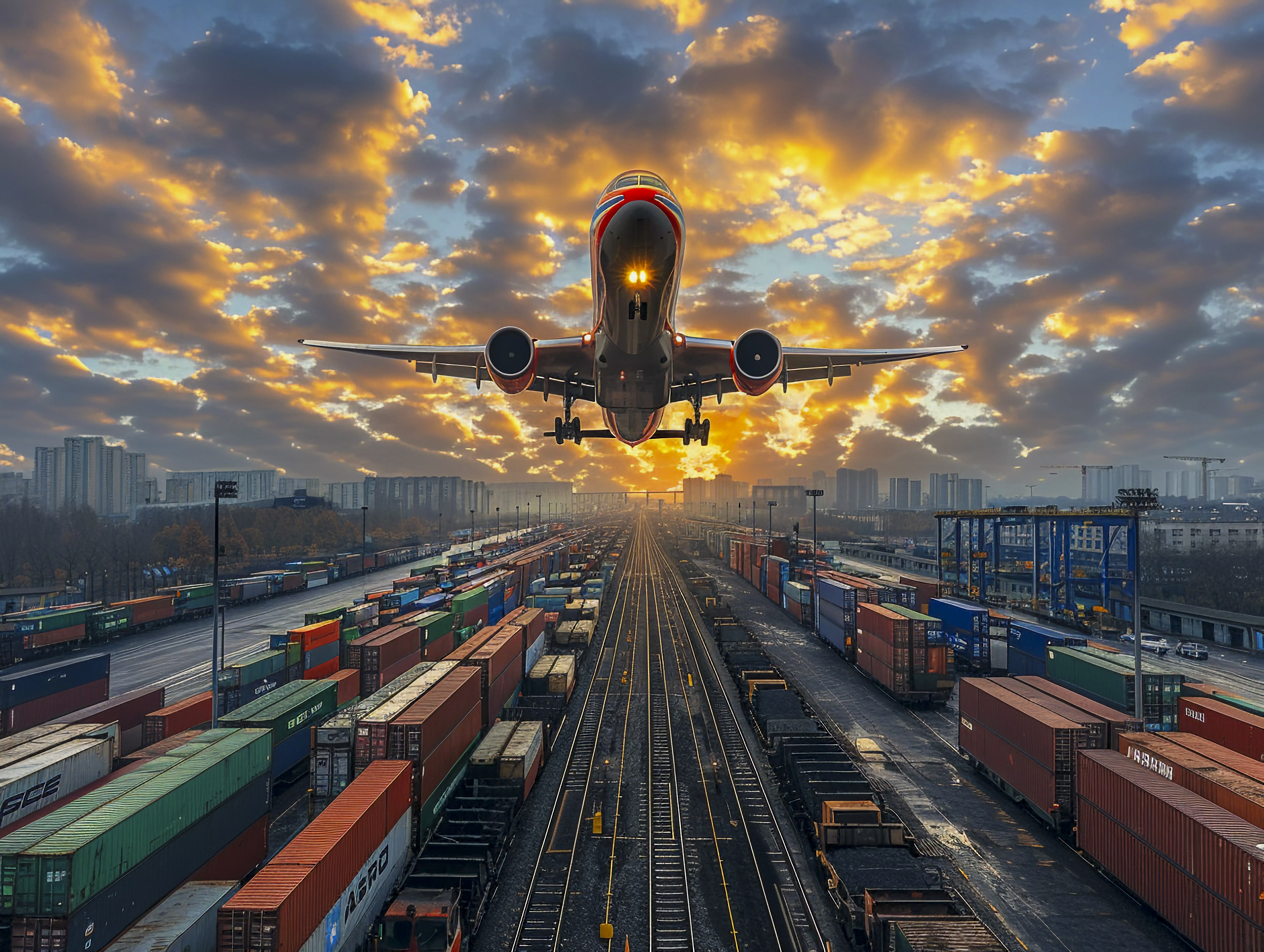
Selecting the right transportation mode is crucial for ensuring cost efficiency, timely delivery, and cargo safety. Each logistics transport option offers unique advantages depending on shipment size, urgency, destination, and budget.
Major Transportation Modes in Logistics
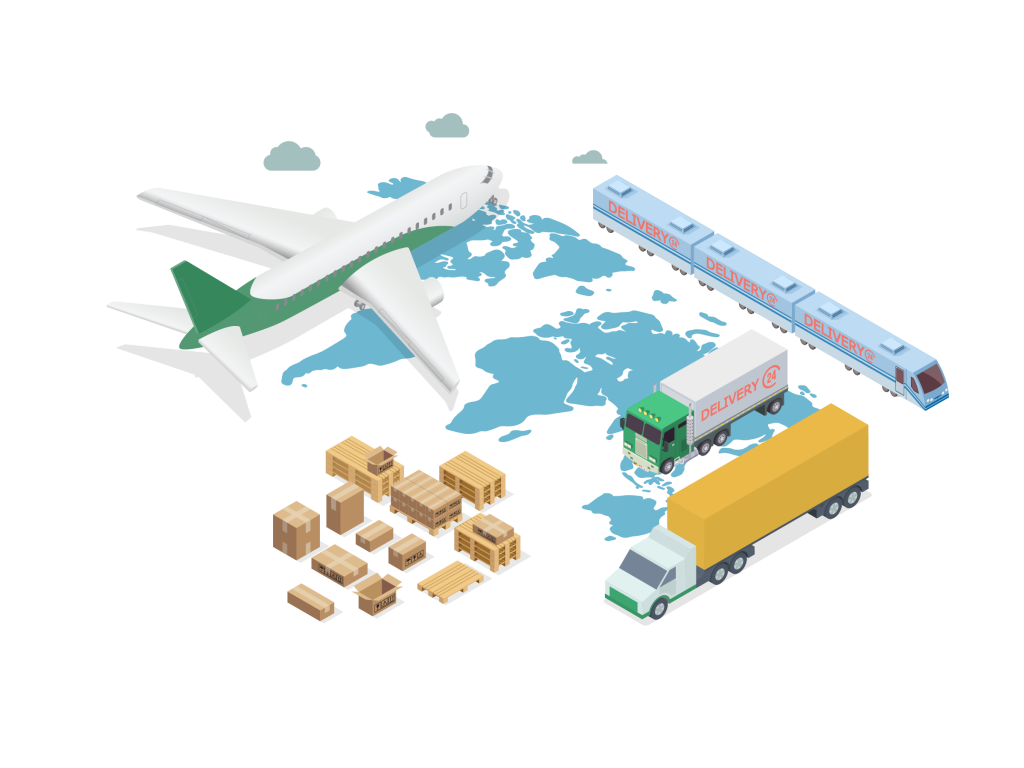
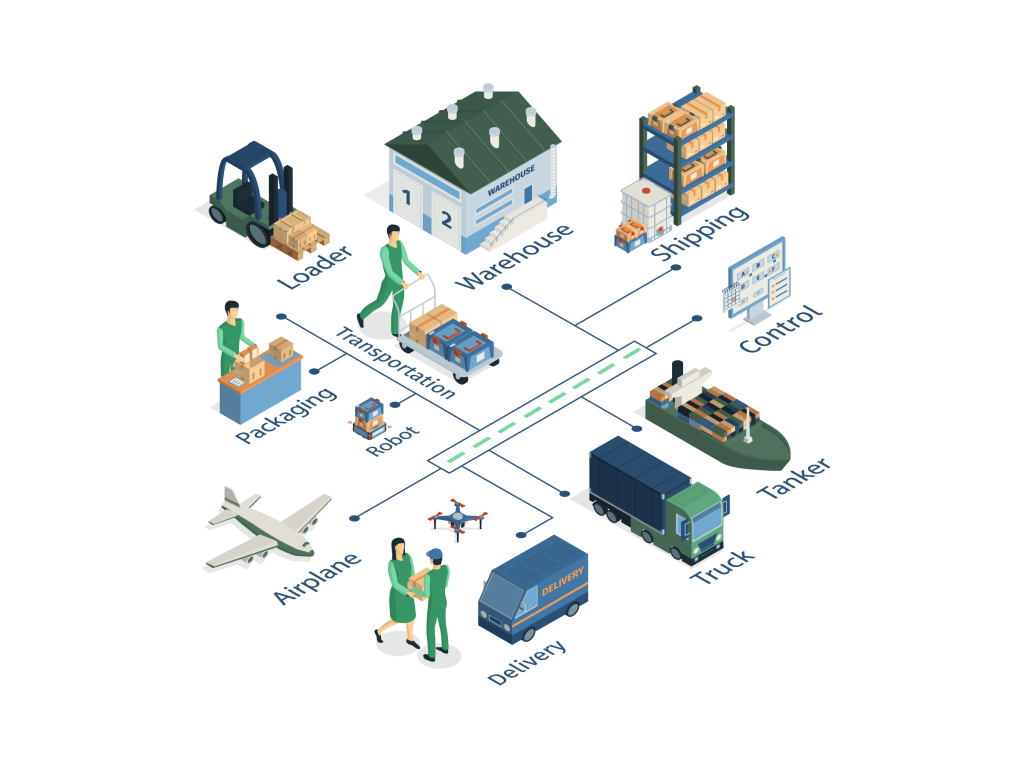
Logistics operations typically rely on four primary transportation modes:
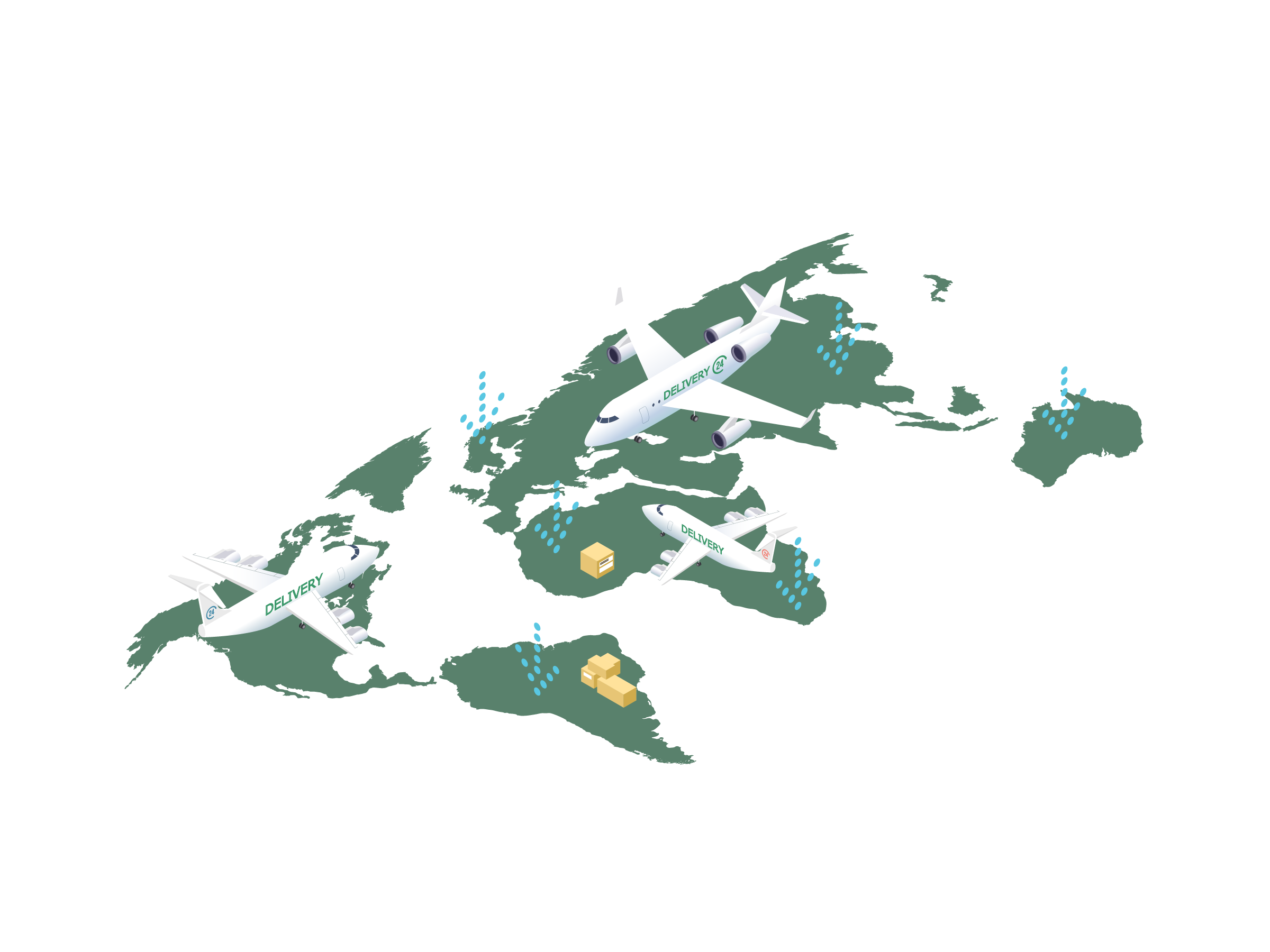
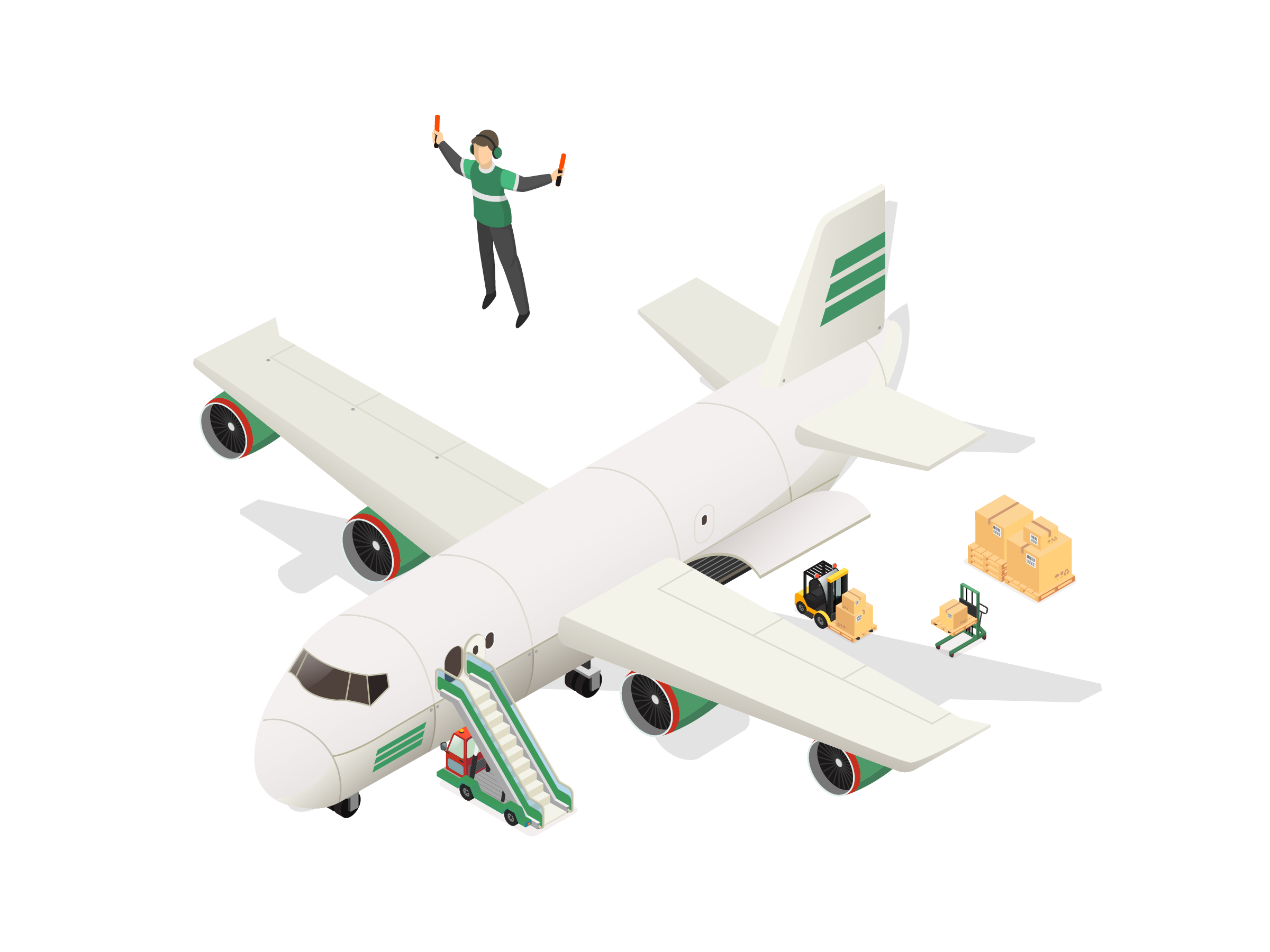
- Air Freight – Fastest delivery for urgent shipments
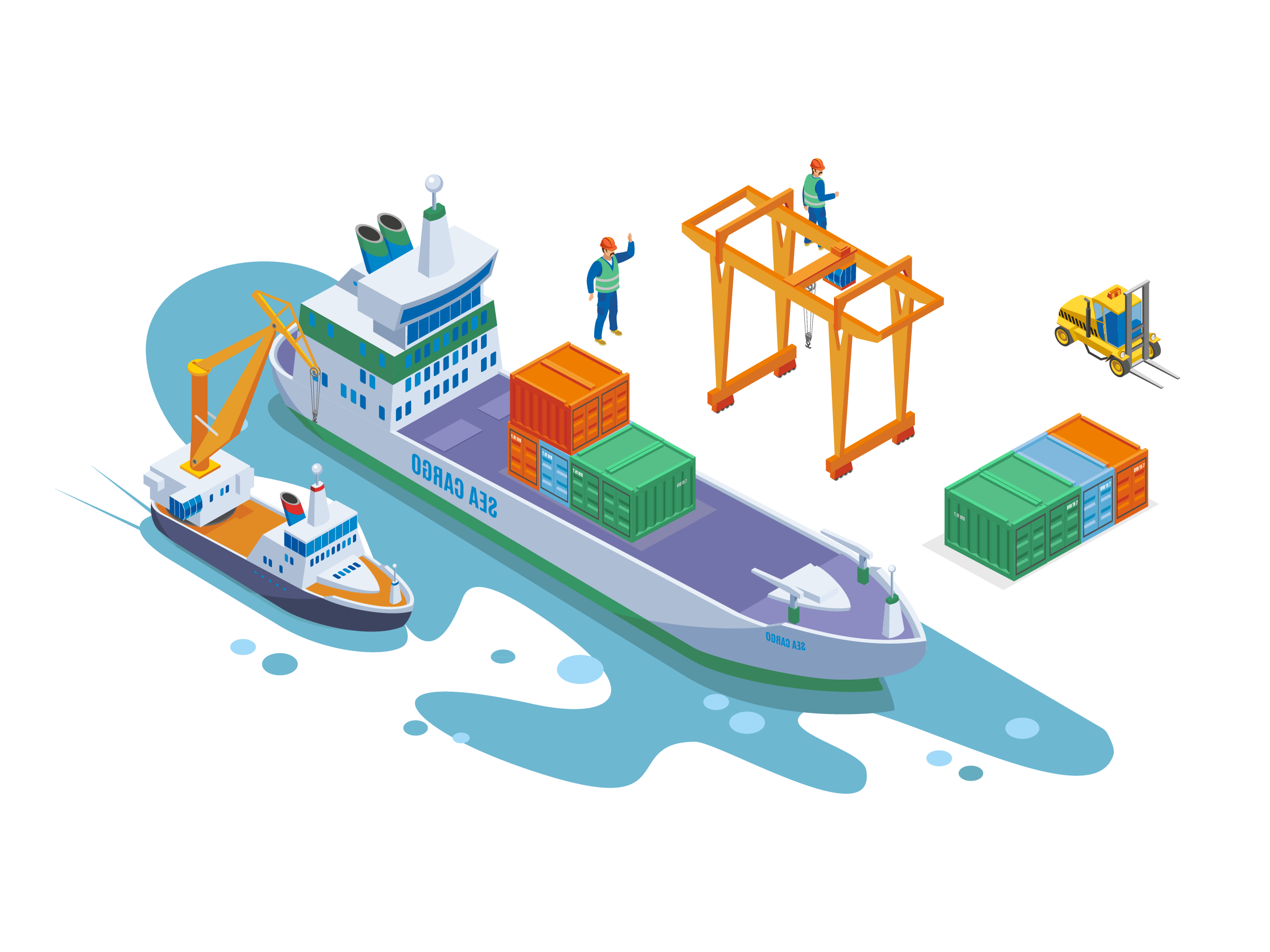
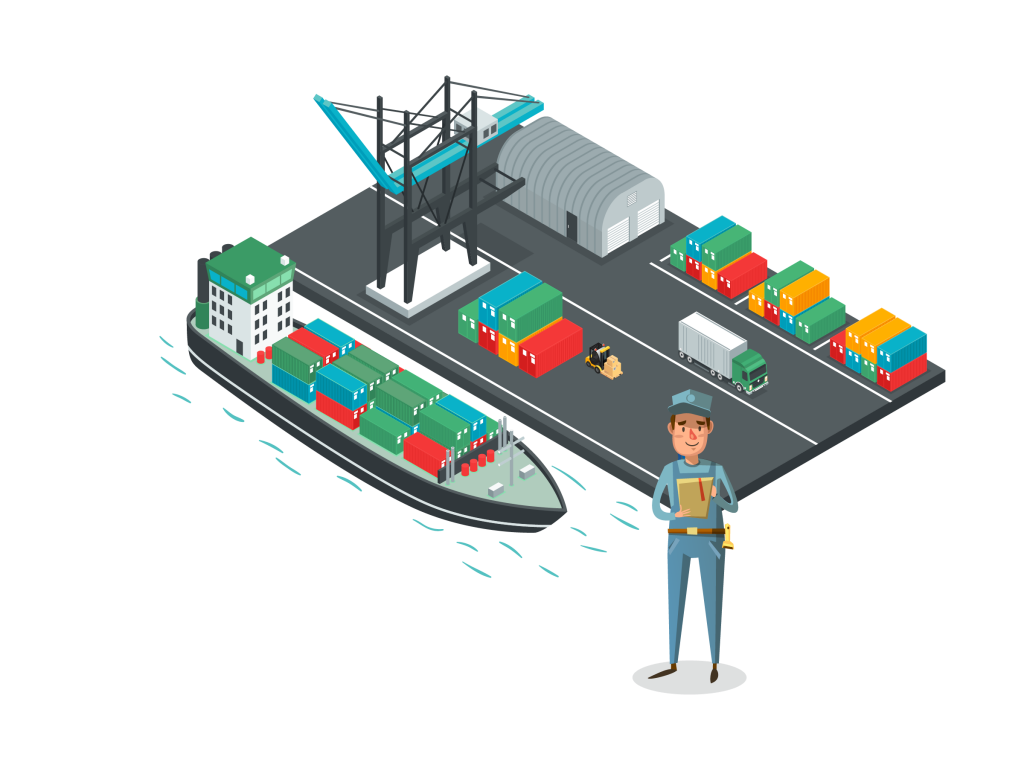
- Sea Freight – Cost-effective solution for bulk cargo
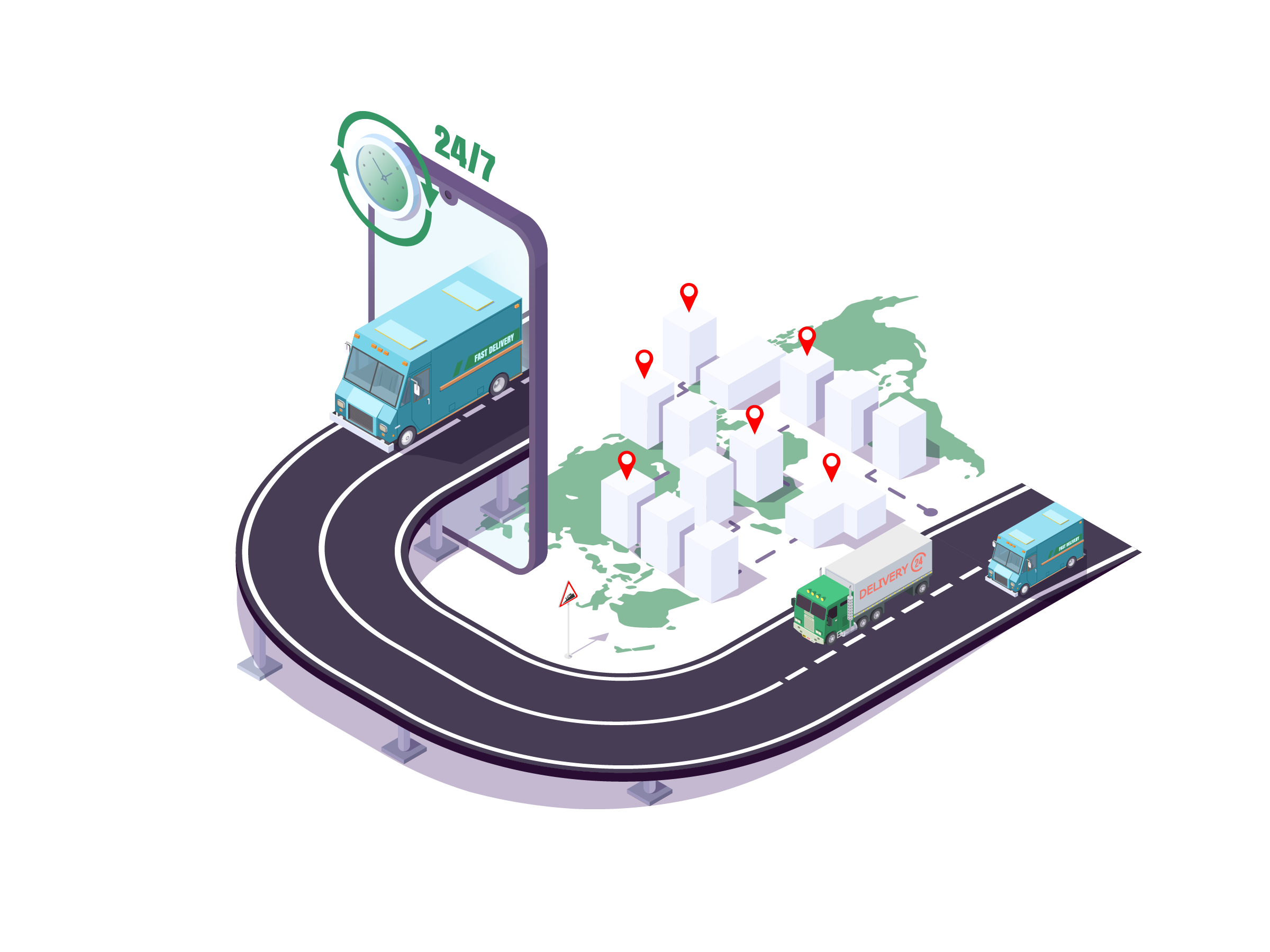
- Road Transport – Flexible and ideal for domestic delivery
- Rail Transport – Efficient for long inland distances
Factors to Consider When Choosing a Transport Mode
Before selecting a logistics solution, businesses should evaluate:
- Delivery Time Requirements – Is the shipment urgent?
- Budget Constraints – What is the cost allowance?
- Cargo Type & Size – Is it bulk, perishable, or high-value?
- Distance & Destination – Domestic or international?
- Risk & Security Level – Is extra protection needed?
Comparison of Transportation Modes
| Mode | Speed | Cost Level | Best Use Case |
|---|---|---|---|
| Air Freight | Very Fast | High | Urgent & high-value goods |
| Sea Freight | Slow | Low | Bulk & international cargo |
| Road Transport | Moderate | Medium | Short & medium distances |
| Rail Transport | Moderate | Low-Medium | Heavy inland shipments |
Conclusion
Choosing the right transportation mode is essential for optimizing logistics performance and reducing operational costs. By evaluating shipment urgency, cargo characteristics, and budget, businesses can select the most efficient and reliable transport solution to meet their supply chain objectives.