








Heavy Haulage: Definition, Costs, Regulations, and Transport Procedures
Heavy haulage refers to the transportation of oversized, overweight, or unusually large cargo that exceeds standard legal size and weight limits. It requires specialized equipment, careful route planning, and strict regulatory compliance.
What is Heavy Haulage?
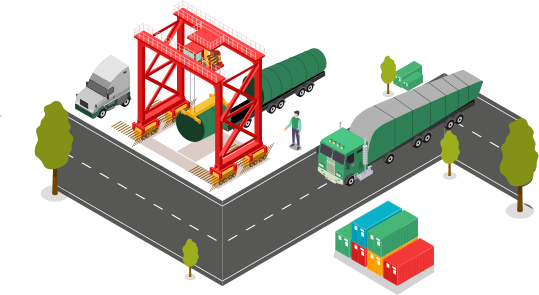
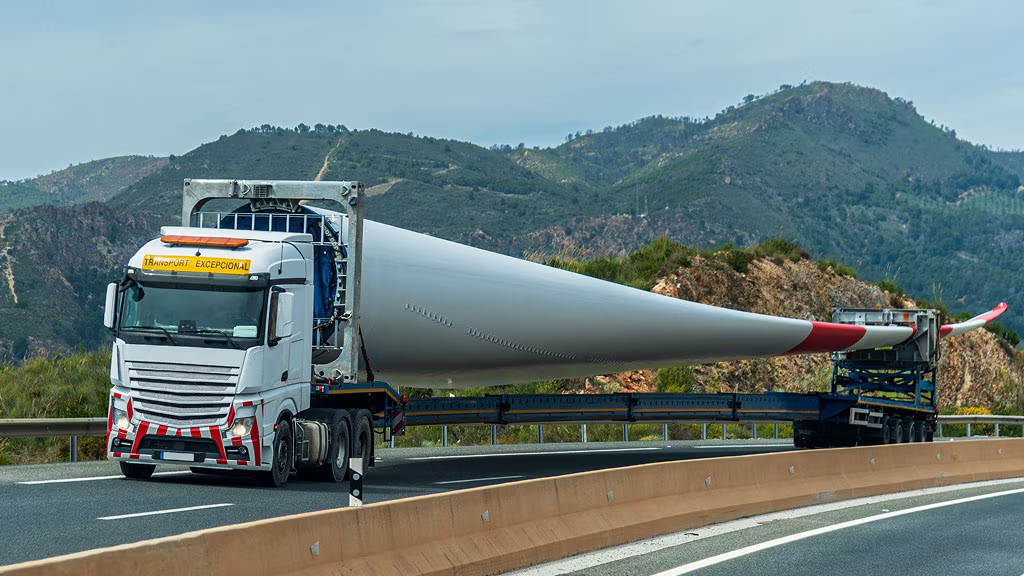
Heavy haulage involves moving machinery, industrial equipment, construction components, turbines, and other project cargo that cannot be transported using regular trailers. These loads often exceed standard road transport regulations and require special trailers such as low-bed or modular multi-axle systems.
- Used for oversized and overweight cargo
- Requires special transport permits
- Involves route surveys and escort vehicles
- Common in construction, oil & gas, and mining sectors
Costs Involved in Heavy Haulage
Heavy haulage costs are generally higher than normal freight transport due to:
- Specialized heavy-duty trailers and hydraulic systems
- Government permits and approvals
- Escort vehicles and pilot cars
- Route surveys and bridge load analysis
- Cranes and special loading equipment
Regulations and Compliance
Oversized transport operations must follow strict regulatory guidelines, including:
- Approved transport permits
- Designated travel timings
- Speed restrictions
- Insurance and liability coverage
- Compliance with road and bridge weight limits
Transport Procedures
A standard heavy haulage process includes:
- Detailed cargo measurement and weight assessment
- Route planning and risk evaluation
- Permit acquisition from authorities
- Selection of appropriate heavy-duty transport equipment
- Secure loading using certified lashing methods
- Escort and real-time monitoring during transit
- Safe unloading at destination
Conclusion
Heavy haulage is a specialized logistics service designed for transporting complex and oversized cargo safely and efficiently. With proper planning, regulatory compliance, and expert handling, businesses can move critical infrastructure and industrial equipment with minimal risk and delay.